
Understanding the Labor Factor in Metal Roof Projects
Metal roofing has become one of the most durable and energy-efficient roofing options available for residential, commercial, and industrial properties. However, even the highest-quality materials cannot deliver long-term performance without experienced professionals handling every stage of the installation process. From planning and measuring to fastening panels and inspecting finished work, labor directly affects the longevity, appearance, and weather resistance of the completed roof. Access to quality roofing supplies also supports installation crews by ensuring they have dependable materials designed for the specific project. This guide explores how skilled labor, workforce management, training, safety, and project planning contribute to successful metal roofing installations while highlighting the many factors that influence labor costs and overall project outcomes.
Understanding the Importance of Skilled Labor
Labor is a critical component in the successful execution of metal roof projects. Skilled laborers bring specialized knowledge and expertise, which is essential for ensuring the quality and integrity of a metal roof installation. The construction process heavily relies on these professionals to execute complex tasks that require precision and attention to detail. A project's success can be determined by the quality of workmanship, which is why understanding the role of labor is particularly important.
Experienced roofing crews understand how different panel systems, fastening methods, flashing details, and ventilation systems work together. Their knowledge helps reduce installation mistakes while ensuring the roof performs reliably under changing weather conditions.
Skilled and General Labor Responsibilities
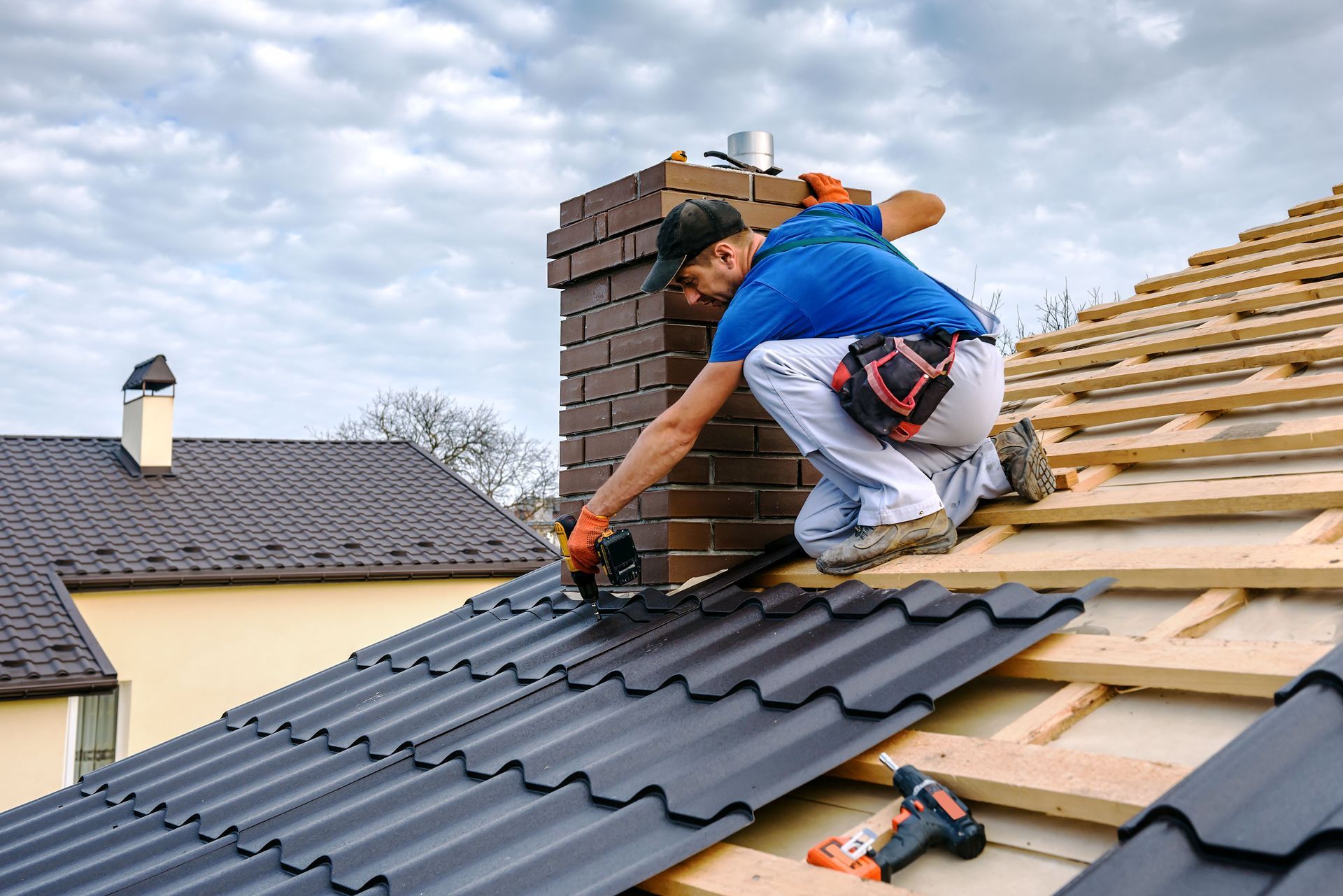
Skilled labor in metal roofing consists of workers with specialized training and experience. These individuals are adept at cutting, shaping, and installing metal materials to precise specifications. General laborers often support these crews by transporting materials, organizing equipment, cleaning work areas, and assisting during installation.
The distinction between skilled and supporting labor is crucial in determining the overall success of a project. According to This Old House, labor costs usually make up about 45% of the total project cost of metal roof installation, repair, or replacement. Investing in qualified workers often results in fewer installation errors, stronger roof performance, and lower maintenance costs throughout the roof's lifespan.
Skilled crews also maintain strict safety standards while working at elevated heights. Their experience allows them to recognize hazards quickly and complete installations efficiently without sacrificing workmanship.
How Labor Affects Project Timelines
Labor availability is one of the largest factors influencing project schedules. A well-staffed crew with experienced installers can complete projects efficiently while maintaining high standards of workmanship. Labor shortages often create delays, increase overtime expenses, and extend construction schedules.
Proper scheduling helps crews coordinate deliveries, inspections, weather forecasts, and subcontractor activities. Strong communication between supervisors and installers minimizes downtime while allowing unexpected issues to be addressed quickly.
Reliable access to roofing supplies also prevents unnecessary interruptions caused by material shortages or delayed deliveries, allowing installation crews to maintain productivity throughout the project.
Quality Workmanship Creates Long-Term Performance
Quality workmanship directly impacts the durability, weather resistance, and energy efficiency of metal roofing systems. Improper panel alignment, inadequate fastening, or poorly installed flashing can eventually lead to leaks, corrosion, and structural damage.
Experienced laborers perform regular inspections throughout installation to verify measurements, fastening patterns, and waterproofing details. These quality checks reduce costly repairs after project completion and improve customer satisfaction.
Using premium roofing supplies alongside experienced installation crews creates a roofing system capable of performing for decades under demanding environmental conditions.
Managing Labor Costs Effectively
Labor costs significantly influence the overall budget of every roofing project. Wage rates vary depending on skill level, regional labor markets, project complexity, and scheduling requirements. Proper budgeting allows contractors to accurately estimate labor expenses while maintaining profitability.
Effective workforce planning includes balancing productivity with quality. Hiring enough experienced workers to complete projects efficiently often reduces expensive rework while helping projects stay on schedule.
Technology also contributes to labor efficiency through digital measurements, estimating software, scheduling platforms, and communication tools that improve coordination between field crews and office staff.
Training and Workforce Development
Continuous education remains essential within the metal roofing industry. New installation methods, evolving building codes, and advanced materials require ongoing training to maintain professional competency.
Certification programs help establish consistent quality standards while improving worker confidence. Hands-on workshops, manufacturer training, and safety courses all contribute to better installation practices and stronger project outcomes.
Many manufacturers also provide specialized instruction for installing proprietary systems, allowing contractors to maximize product warranties while using approved installation techniques.
Innovation Improves Roofing Installation
Technology continues transforming how roofing professionals complete projects. Digital measuring tools, drone inspections, prefabricated components, and Building Information Modeling (BIM) all improve planning accuracy while reducing installation errors.
Experienced crews adapt quickly to these innovations because they combine technical knowledge with practical field experience. The result is improved productivity, fewer material waste issues, and more efficient installations.
Modern roofing supplies are also designed to integrate with advanced installation systems that improve weather resistance, energy efficiency, and long-term durability.
Factors That Influence Labor Expenses
Numerous factors affect labor costs beyond hourly wages. Geographic location, seasonal demand, project accessibility, roof pitch, building height, and material complexity all influence the amount of labor required.
Larger commercial buildings generally require larger crews and specialized equipment, while intricate architectural designs demand additional planning and installation time. Contractors must evaluate these variables carefully during project estimation.
Choosing dependable roofing supplies from reputable manufacturers can also reduce labor expenses by minimizing installation complications and improving compatibility between roofing components.
Workforce Stability and Retention
Retaining experienced employees helps roofing companies maintain consistent quality and productivity. High turnover often increases hiring expenses, extends training periods, and disrupts established workflows.
Competitive wages, career advancement opportunities, ongoing education, and positive workplace culture all contribute to stronger employee retention. Stable crews also communicate more effectively because team members become familiar with each other's working styles.
Companies that invest in workforce development often experience fewer installation errors, better customer satisfaction, and improved operational efficiency over time.
Safety Standards and Regulatory Compliance
Safety remains one of the most important responsibilities on any roofing project. Metal roofing installations involve elevated work surfaces, specialized cutting equipment, electrical hazards, and changing weather conditions that require careful planning.
OSHA regulations establish standards for fall protection, personal protective equipment, hazard communication, and job-site safety procedures. Compliance protects workers while reducing project delays, insurance claims, and regulatory penalties.
Routine safety meetings, equipment inspections, and documented training programs reinforce a culture where every worker understands their responsibilities before work begins.
The Connection Between Materials and Skilled Labor
Successful roofing projects depend on more than experienced installers alone. Quality materials and skilled craftsmanship must work together to produce dependable results that withstand years of environmental exposure.
Contractors who source dependable roofing supplies can better support installation crews with products designed for performance, compatibility, and long-term durability. Matching the right materials to the specific roof design also helps reduce installation challenges.
When experienced laborers have access to dependable equipment and materials, they can complete projects more efficiently while maintaining superior workmanship throughout every stage of installation.
Planning for Long-Term Success
Metal roofing projects require thoughtful planning, experienced labor, reliable materials, and consistent quality control. Every stage—from estimating and scheduling to installation and final inspection—contributes to the finished roof's performance.
Investing in skilled professionals, ongoing training, and dependable roofing supplies creates long-term value for property owners by improving durability, reducing maintenance costs, and extending roof life. Companies that prioritize workmanship, workforce development, and safety consistently deliver better roofing solutions while building stronger reputations within the construction industry.
As construction technologies continue advancing, skilled labor will remain one of the industry's greatest assets. Combining experienced professionals with innovative techniques and premium roofing supplies ensures metal roofing systems continue delivering exceptional performance for decades. Contact Palisades Valley Steel today and learn more about our roofing services.




Share On: