Metal Siding 101: What Homeowners Need to Know Before Replacing Their Exterior
In recent years, metal siding has become a top choice for homeowners updating their property's exterior. Choosing the right siding is essential because it impacts your home's appearance, longevity, and overall energy bills. The exterior acts as a protective shield while reflecting your personal style, meaning an informed decision yields long-lasting financial and aesthetic benefits. As architectural styles continue to lean toward clean lines and low-maintenance solutions, selecting a robust cladding system ensures your home remains both structurally sound and visually striking for decades to come.
Selecting different metal options
Aluminum siding remains a popular exterior choice due to its lightweight nature and resistance to rust. It is particularly effective in coastal regions where high humidity and salty air corrode other materials. Aluminum will not swell, rot, or foster fungal growth. However, it can dent or scratch from heavy hail, and its natural thermal conductivity requires proper insulation to maintain indoor energy efficiency. Because it is so lightweight, installation is often faster and less labor-intensive, which can help keep upfront labor costs manageable during a full exterior remodel.
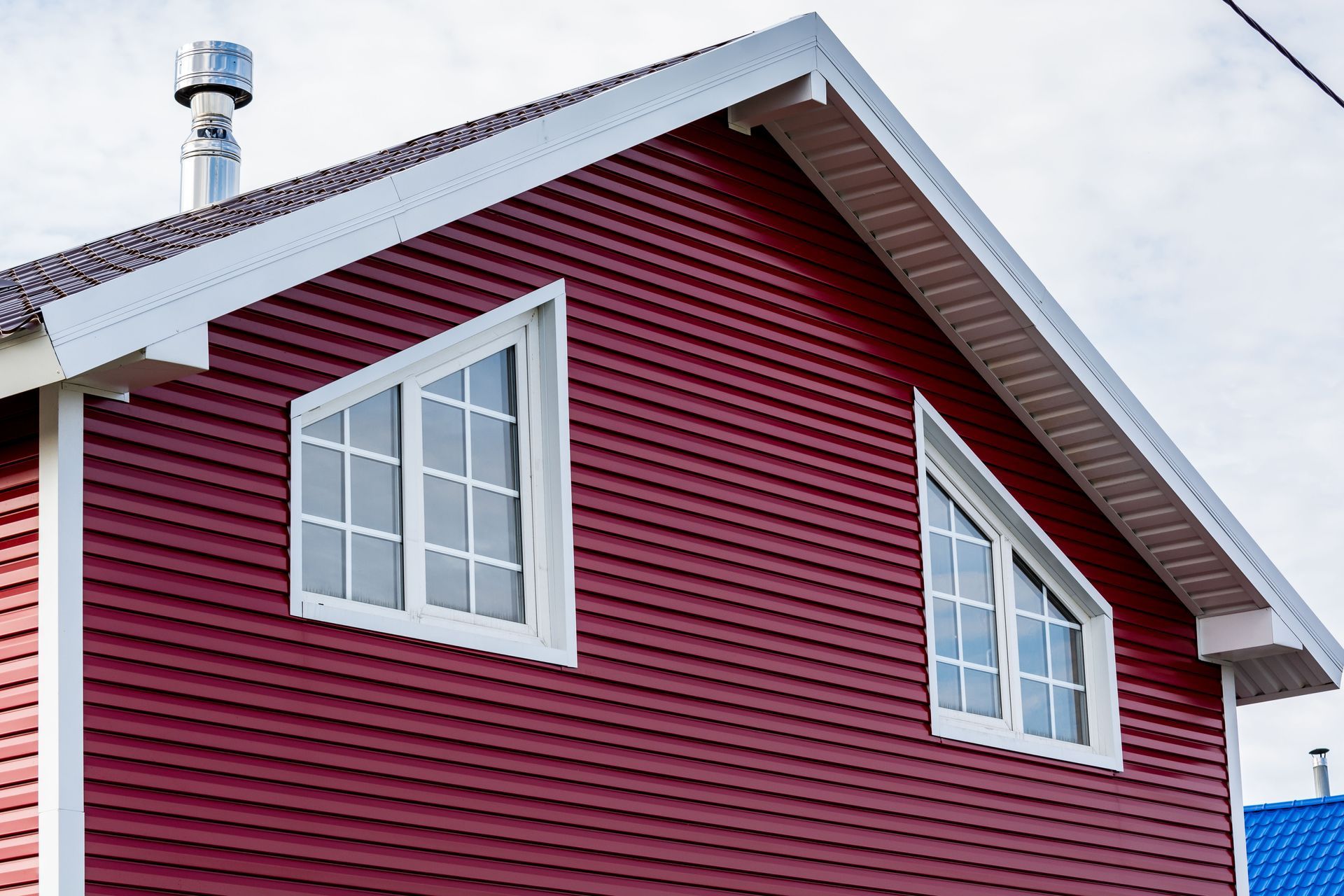
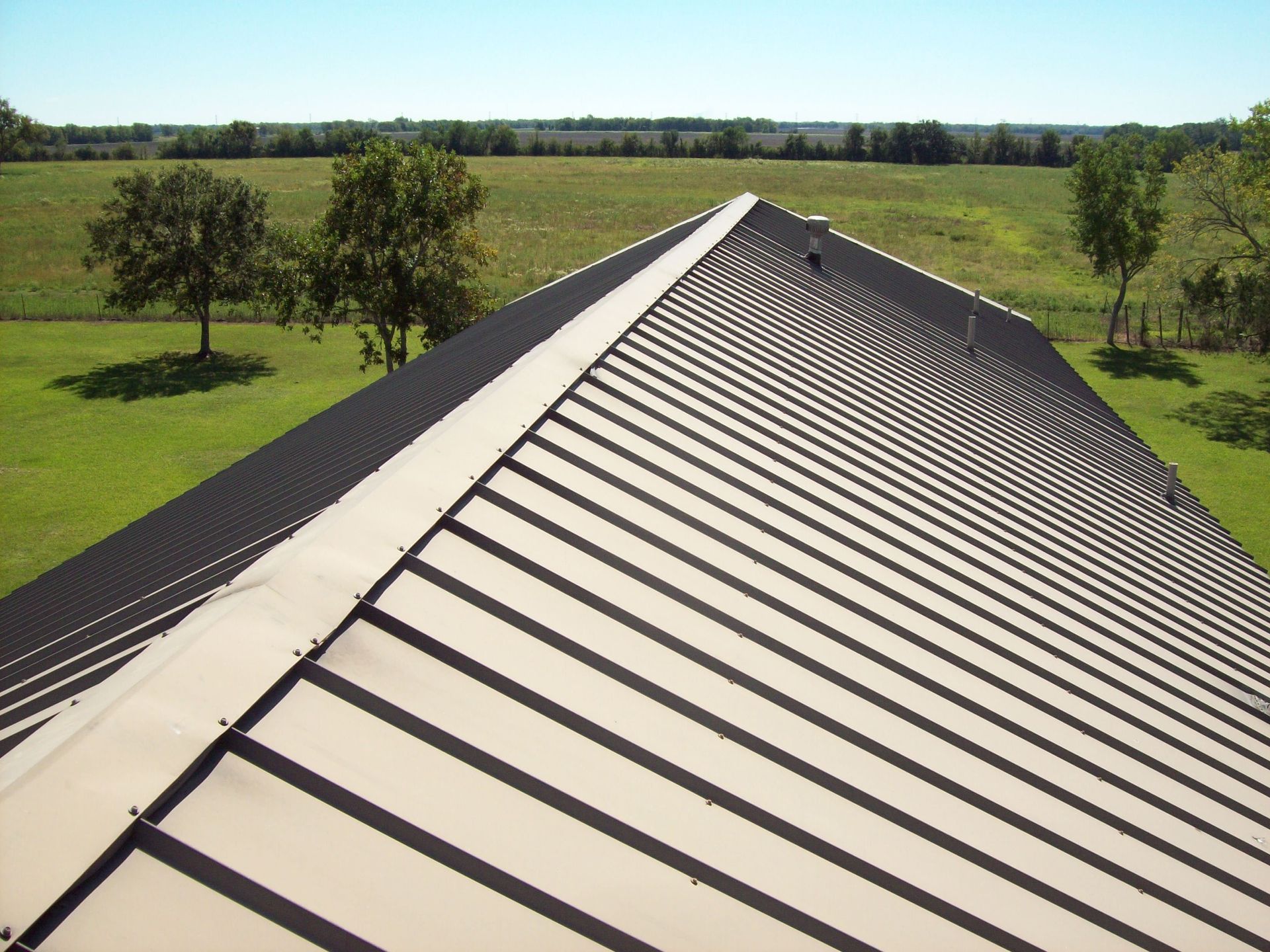
Steel siding provides exceptional durability, structural strength, and resistance to fire and pests. While vulnerable to rust if left uncoated, high-performance factory finishes protect steel from humidity and harsh conditions for decades. Steel offers sharp, modern aesthetic lines and can mimic traditional architectural styles, though it is heavier and requires specialized tools during the installation process. The added mass of steel panels provides fantastic impact resistance, ensuring that windblown debris, heavy snow loads, and routine backyard mishaps do not compromise the integrity of your exterior walls.
Zinc and copper represent premium options known for developing a protective, natural patina over time. Zinc possesses self-healing properties that naturally mend minor scratches, while copper yields a timeless, luxurious visual appeal. While these metals feature a higher initial price point, their extreme weather resistance and recyclable nature appeal strongly to environmentally conscious homeowners. Furthermore, because these metals do not rely on painted coatings that can chip or peel, their evolving aesthetic character only grows richer as the home ages in its natural environment.
Evaluating traditional exterior materials
Comparing metal siding against traditional alternatives like vinyl and wood highlights clear performance differences. Vinyl is inexpensive and easy to install, but extreme temperature shifts cause it to crack, warp, or fade over time. Wood siding provides a classic, natural beauty, but it demands continuous maintenance, staining, sealing, and ongoing protection from termites, wood rot, and moisture damage. When you factor in the labor and materials required to maintain wood or replace damaged vinyl sections, the initial savings of those materials evaporate quickly.
The lifespan of metal options far exceeds that of vinyl and wood, significantly lowering your overall cost of ownership. According to New Tech Machinery (2025), metal siding and roofing typically have lifespans of 40–70+ years, with many warranties reflecting that longevity, addressing the pain point of having to replace siding every 15–20 years with traditional materials. Furthermore, metal is non-combustible, offering superior fire safety that can potentially lower home insurance premiums in fire-prone regions.
Modern manufacturing techniques allow metal to replicate wood grain textures and offer diverse color palettes without the associated physical vulnerabilities. This balance of customized aesthetic appeal and structural resilience makes metal a far more reliable long-term investment. Homeowners gain a pristine, modern look that resists daily wear and tear without forcing them into a grueling annual upkeep routine. The result is a high-performing building envelope that shields your household through every season.
Upgrading with modern manufacturing innovations
Recent technological advancements have vastly improved exterior metal performance. Polyvinylidene fluoride coatings drastically increase resistance to chalking and fading, allowing panels to retain their vibrant color for decades. Additionally, cool-roof technology and reflective pigments deflect solar heat, significantly reducing summer cooling loads and monthly energy bills. These advanced factory-applied finishes ensure that even dark or vibrant colors remain brilliant under intense solar exposure without degrading the underlying metal substrate.
Insulated metal panels represent another major leap forward for energy efficiency. Combining a durable outer metal shell with an integrated insulating foam core, these panels eliminate thermal bridging. This integrated design optimizes home comfort, dampens outside noise pollution, and delivers sustained financial savings on utility expenses year-round. By creating a continuous thermal barrier around your living space, these panels keep indoor temperatures consistent regardless of freezing winter winds or scorching summer heatwaves.
Smart manufacturing trends continue to push exterior capabilities forward. Future developments include integrated sensor systems and engineered eco-coatings designed to monitor environmental wear and optimize energy usage. Embracing these advanced material options ensures a lower carbon footprint and minimal ongoing exterior maintenance. As green building standards become more stringent, investing in advanced cladding positions your property at the forefront of modern, energy-efficient residential design.
Analyzing installation and budget factors
Initial costs for metal siding vary depending on the chosen material, thickness, panel style, and custom finishes. Aluminum serves as a budget-friendly option, whereas steel, zinc, and copper require a larger upfront commitment. However, higher initial material expenses are offset by avoiding the frequent replacement cycles associated with cheaper materials. When evaluating your overall budget, it is helpful to view siding not as a quick cosmetic fix, but as a long-term capital improvement that protects the structural core of your building.
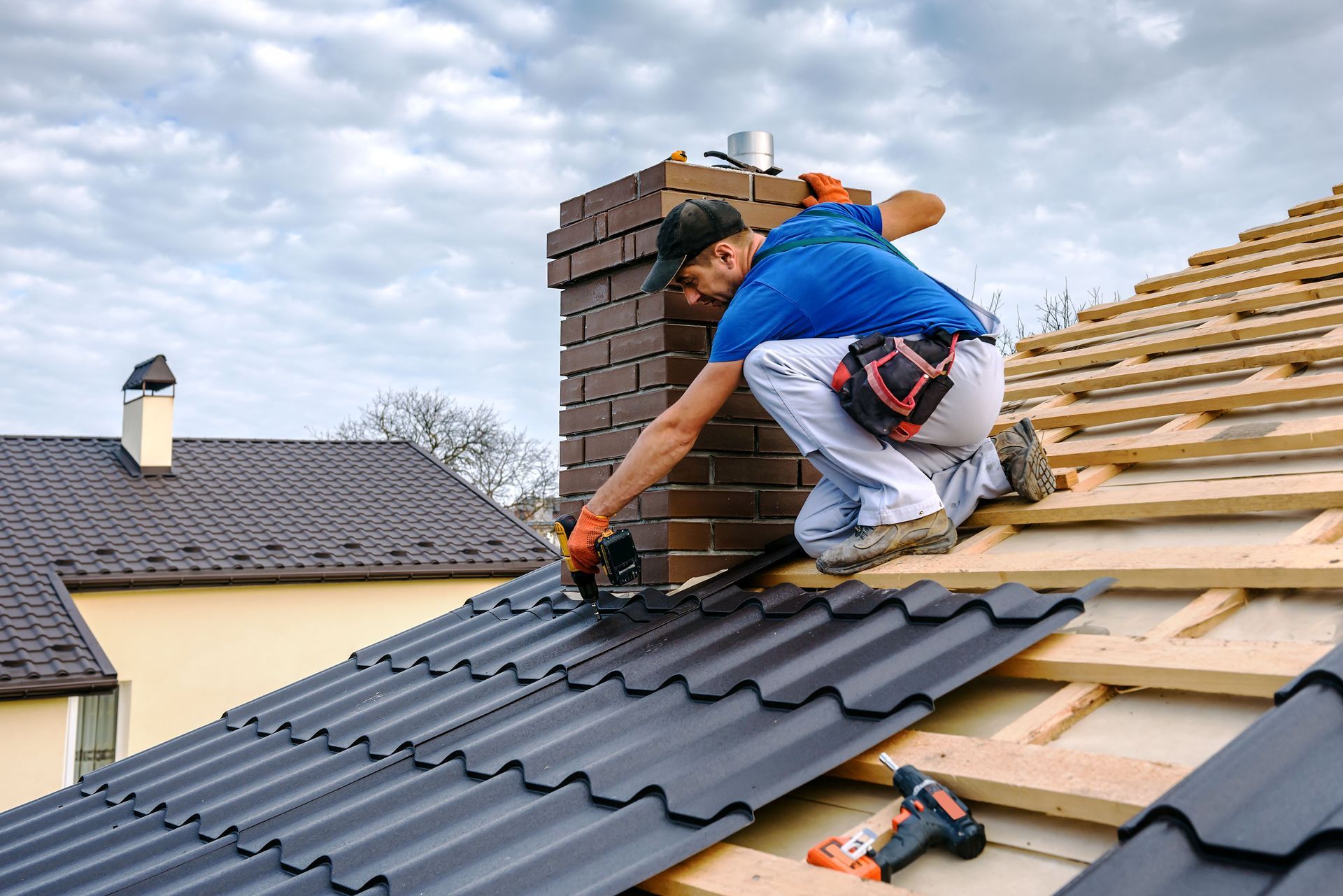
Professional installation is strongly recommended due to the heavy weight of steel panels and the specialized cutting tools required. Attempting a DIY installation without proper experience can cause improper seam alignment, thermal expansion issues, or moisture intrusion behind the cladding. Professional installation ensures optimal weather tightness and often includes comprehensive labor warranties that safeguard your investment. Experienced contractors understand how to detail flashing, manage air gaps, and allow for proper ventilation to keep your home healthy.
Manufacturer warranties play a vital role in protecting your financial investment. Standard warranties cover paint performance, finish integrity, and structural defects for 30 to 50 years. Following the manufacturer's basic cleaning and maintenance guidelines preserves these warranty protections while keeping the exterior looking brand-new. Always review the specific terms of your warranty to understand the care instructions and ensure you maintain full coverage over the lifespan of your cladding system.
Maximizing long-term property value
While vinyl or wood may appear cheaper upfront, their ongoing upkeep and replacement needs quickly erase those initial savings. Wood requires routine repainting, staining, and pest treatments, whereas metal simply requires an occasional rinse with water and mild detergent to look its best. Eliminating the constant need for scraping, priming, and repainting frees up both your weekends and your maintenance budget, allowing you to invest those resources into other areas of your home.
Long-term savings accumulate through lower maintenance fees, decreased energy costs, and reliable property protection. Metal's ability to withstand severe weather, falling branches, and intense sun exposure prevents costly storm repair bills. This ongoing durability ensures your home maintains its curb appeal without consuming your free time or home improvement budget. Furthermore, the peace of mind that comes with knowing your home is wrapped in a weather-resistant shell is invaluable during unpredictable weather seasons.
Investing in high-quality exterior panels pays off through elevated curb appeal and enhanced market valuation. Homebuyers recognize the value of a durable, low-maintenance exterior that won't require immediate renovation. A sleek, modern exterior communicates to prospective buyers that the house has been well cared for, giving you a competitive edge should you ever decide to list your home on the market. For more information about the services that we offer, reach out to our incredible team at Palisades Valley Steel today!

Share On: